

An experimental combination of radiation therapy and gene therapy is effective and safe for treating various tumors
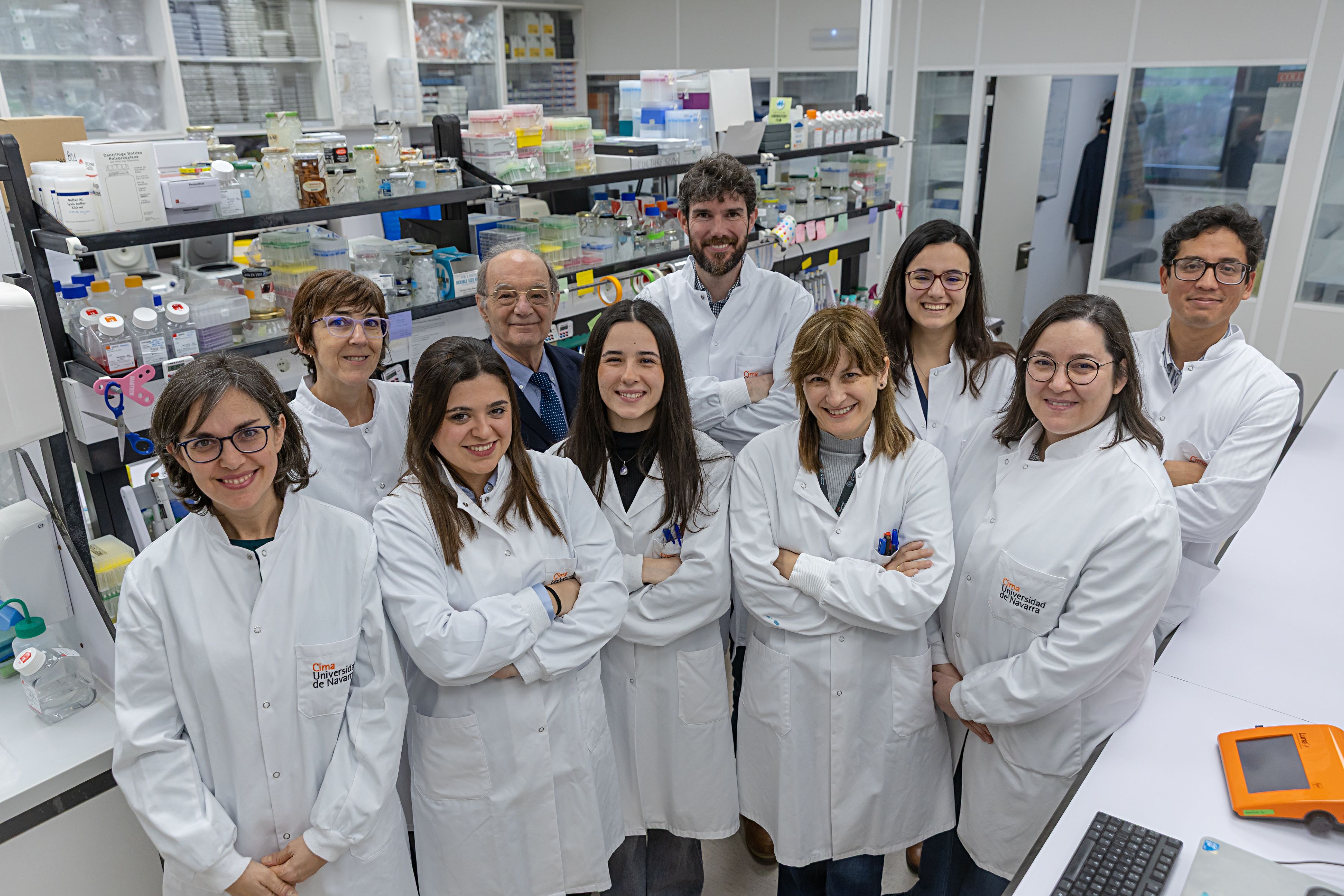
The work of CIMA’s Tumor Evasion and New Targets group has been published in Cancer Cell, one of the most influential scientific journals in oncology.
Researchers plan to begin the first patient trial in 2027 thanks to promising preclinical results from a gene therapy vector developed at CIMA
PAMPLONA, SPAIN, March 23, 2026 /EINPresswire.com/ -- Radiotherapy is one of the pillars of cancer treatment, and its efficacy depends both on its toxic effect on cancer cells and its ability to activate the immune system. However, it often fails to generate effective antitumor responses
due to immunosuppressive factors.
The high-impact journal Cancer Cell has published the results of a study conducted in a Cima laboratory by scientists from the Cancer Center Clínica Universidad de Navarra. The team has developed an experimental treatment that combines radiation therapy and a gene therapy vector, which has proven effective and safe for treating various types of solid tumors in animal models.
“Although radiation therapy has an immune-boosting effect, it can also induce inhibitory mechanisms that suppress the immune system. In this study, we focused on maximizing the benefits offered by radiation therapy,” explains Dr. Juan Dubrot, principal investigator of the Tumor Evasion and New Targets Group at CIMA and co-director of the study.
Dual therapeutic action
The gene therapy vector designed at Cima is based on adeno-associated viruses (AAV) and expresses a protein (interleukin 12, or IL-12) with potent immunostimulatory activity. “We have observed that combining radiation therapy with the intratumoral injection of this vector causes the tumor itself to produce IL-12, which in turn activates the immune system to fight the cancer. In this way, the tumor is eliminated by the combined action of radiation therapy and the immune response. Furthermore, thanks to the vector’s unique design, this occurs locally within the tumor itself, preventing toxicity in other organs,” adds the Cima researcher.
The results have confirmed the safety and efficacy of this combination therapy in multiple experimental models of solid tumors, including melanoma, pancreatic, colon, and lung cancer, among others. “In the coming months, we will continue with toxicology studies to determine the most appropriate dose. With the data obtained, we hope to begin Phase I clinical trials in 2027,” concludes Dr. Jesús Prieto, co-director of the study and professor emeritus at the Faculty of Medicine.
The study involved international research groups from Queen Mary University of London (United Kingdom) and the Broad Institute in Cambridge (United States), and received public funding from the Ministry of Science, Innovation, and Universities and the Government of Navarre, with support from the Aciturri, José Soriano, Ramón Areces, and Echébano foundations, as well as the Cabrera, Catalán, and Amaro families, among others.
Maria Pilar Huarte Tirapu
Cima Universidad de Navarra
+34 948 19 47 00
email us here
Visit us on social media:
LinkedIn
Instagram
YouTube
X
Legal Disclaimer:
EIN Presswire provides this news content "as is" without warranty of any kind. We do not accept any responsibility or liability for the accuracy, content, images, videos, licenses, completeness, legality, or reliability of the information contained in this article. If you have any complaints or copyright issues related to this article, kindly contact the author above.
